Resilience through Innovation & Sustainability
March 8–15, 2026 | Erasmus+, European Projects, Youth Engagement
Article written by team leader Eleftheria Stefanou
The Erasmus+ Youth Exchange “Council of the Future” took place in Baliki, Poland from March 8th to 15th, bringing together 26 young participants from across Europe. The project focused on strengthening citizen competences, promoting youth engagement, and encouraging active participation in democratic life through dialogue and participation.
Funded by the European Union under the Erasmus+ programme and organized by Mind Balance in cooperation with RTIS Network and other international partners, the project created a dynamic environment for intercultural dialogue, collaboration, and personal development.
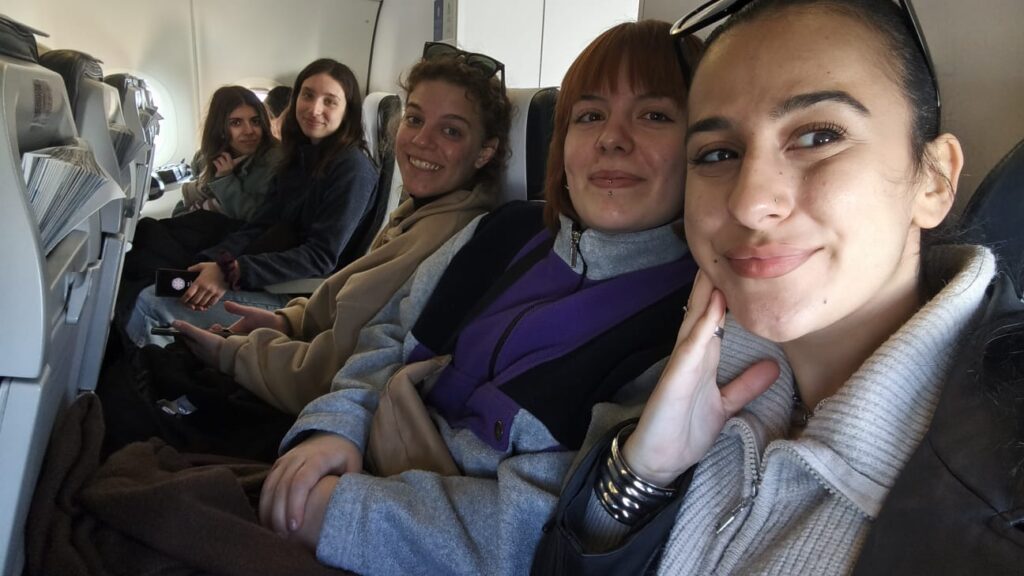
Travel Day: Arrival & First Impressions
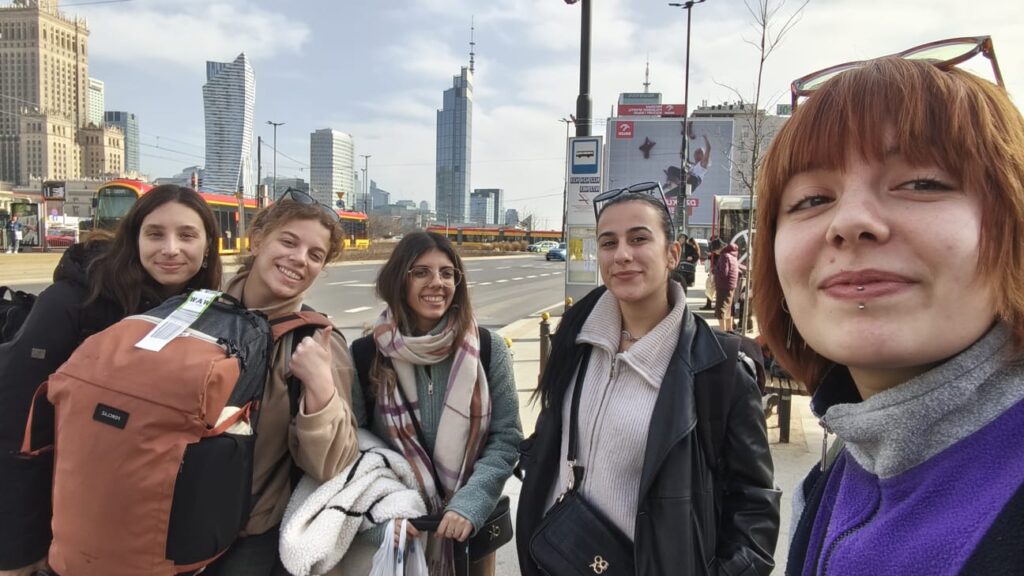
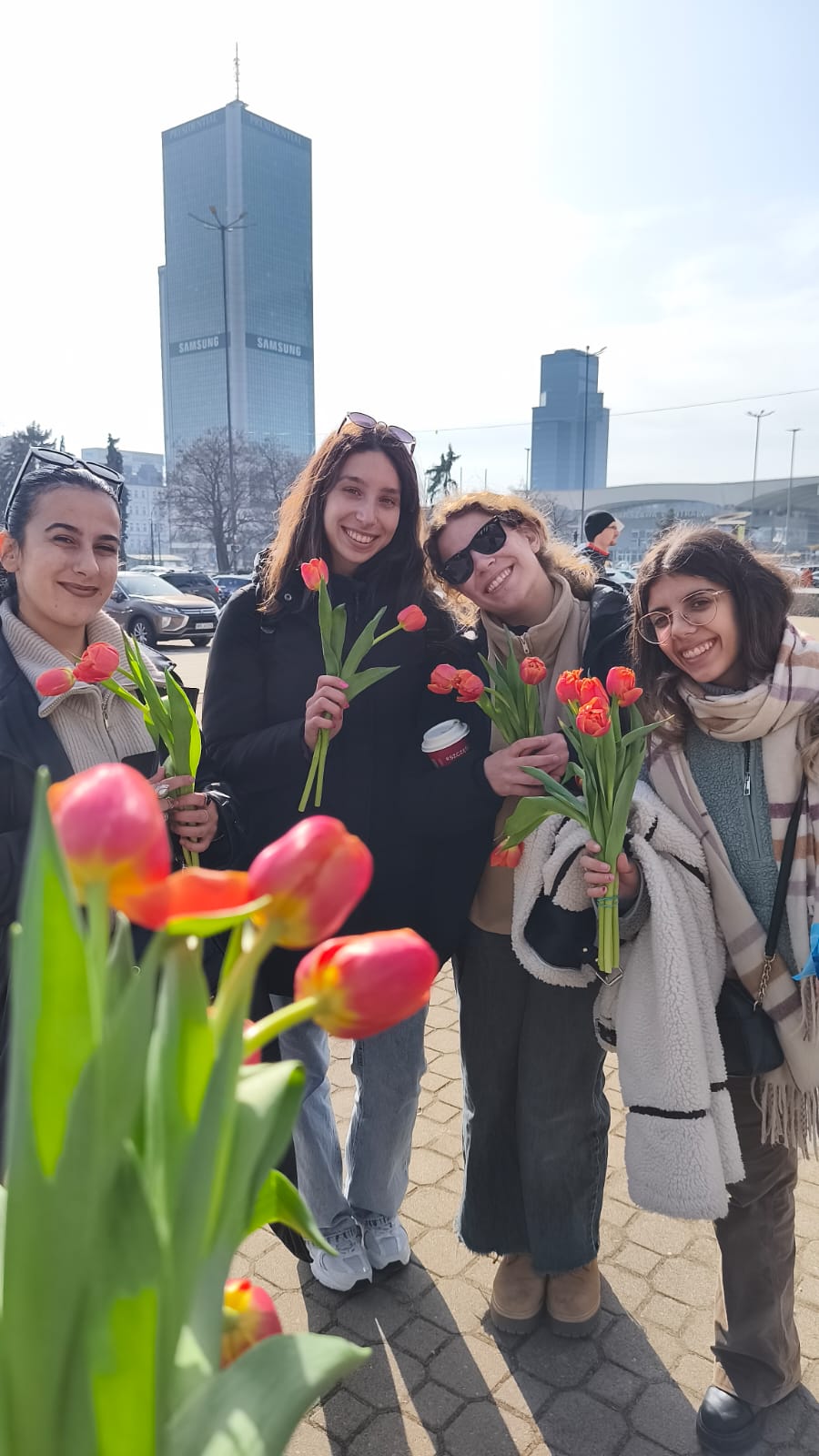
The mobility began with arrival in Warsaw, where participants had the opportunity to explore the city before traveling to the remote and nature-rich area of Baliki. This setting provided an ideal environment for reflection, focus, and meaningful interaction among participants.
Day 1: Building Foundations & Understanding Boundaries
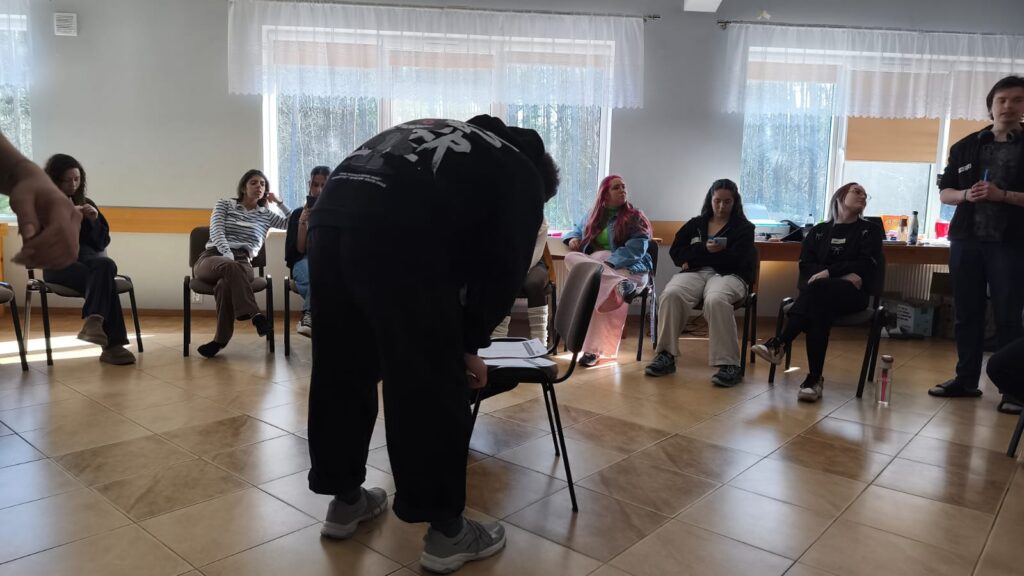
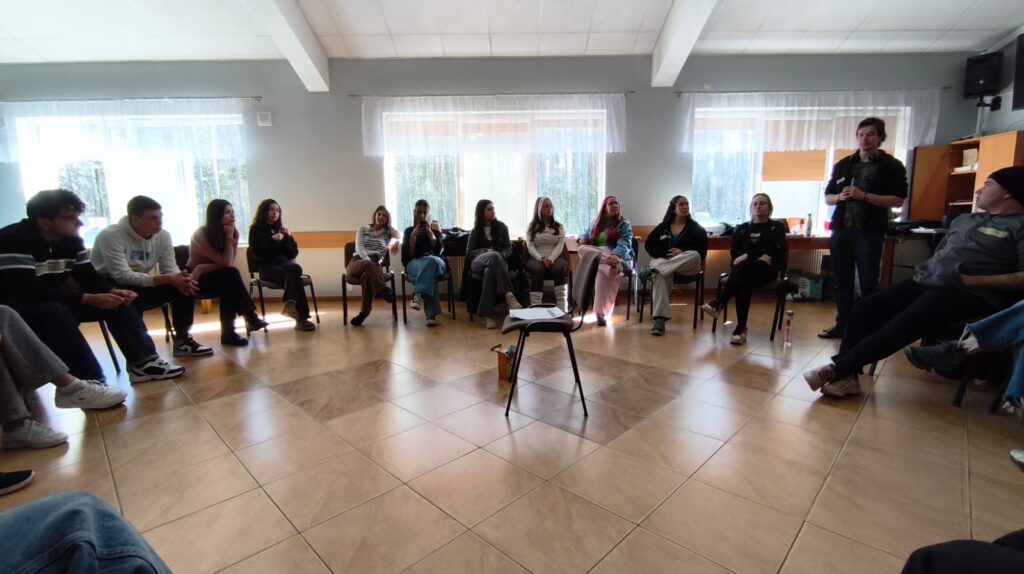
The first day focused on team-building and establishing a safe and respectful environment. Through interactive activities and discussions, participants explored the concept of boundaries and consent, laying the groundwork for effective communication and collaboration throughout the project.
Day 2: Addressing Youth Challenges in Modern Society
The second day was dedicated to examining key challenges faced by young people today, including:
• Misinformation and media manipulation
• Inequality and barriers to participation
• Polarization and social conflict
• Limited representation of youth voices
Participants analyzed the root causes of these issues, their real-life impact, and the difficulties in addressing them. The day concluded with reflection activities focusing on identifying healthy and unhealthy communication patterns.
Day 3: Cultural Exchange & Creative Expression
Participants engaged with a local volunteer school group through an arts and crafts activity, where they created traditional cookies and learned local dances. This experience enhanced intercultural understanding and strengthened connections between participants and the local community. The remainder of the day allowed time for informal interaction and relaxation.
Day 4: Debate Skills & Intercultural Dialogue
On Day 4, participants explored the fundamentals of structured debate, including argumentation, rebuttal, public speaking, and respectful dialogue. These tools were essential for the Oxford-style debates that formed a core element of the project.
The day concluded with an intercultural evening, celebrating diversity through the sharing of traditions, food, and cultural practices.
Day 5: Collaborative Work & Publication Development
Participants dedicated the day to developing the project’s final publication. Through teamwork, they created visual materials and presentations summarizing key learnings related to debate, youth participation, and critical thinking. The results were presented and discussed collectively.
Day 6: Dissemination, Reflection & Closing
The final working day focused on evaluation, dissemination planning, and administrative preparation. Participants discussed how to transfer the knowledge gained to their local communities.
As part of the follow-up activities, a dissemination event was organized in Greece, presenting the project’s objectives and results to a group of young participants.
The session emphasized the importance of dialogue, democratic participation, and critical thinking, encouraging active engagement. The project concluded with a closing ritual, offering space for reflection on the experience and the connections formed.
Day 7: Departure
Participants returned to Warsaw and departed for their home countries, concluding an intensive and enriching mobility experience.
Impact & Learning Outcomes
The “Council of the Future” project provided participants with valuable opportunities to develop essential skills such as communication, teamwork, leadership, and critical thinking. Through workshops, discussions, and Oxford-style debates, participants strengthened their confidence and ability to engage in meaningful dialogue on important societal issues, including misinformation, media literacy, youth participation, and mental health.
The experience also contributed to the development of leadership and team-building competences, particularly for those taking on coordination roles, while fostering a strong sense of collaboration and intercultural understanding.
Overall, the project served as a powerful platform for empowering young people to become active citizens and contributors to the future of Europe.
Looking Ahead
The knowledge and experiences gained during the project will continue to have an impact through local dissemination activities and community engagement. By promoting dialogue, participation, and critical thinking, initiatives like “Council of the Future” play a vital role in shaping more inclusive and active societies.
CouncilOfFuture #ErasmusPlus #YouthExchange #YouthParticipation #ActiveCitizenship #DebateSkills #CriticalThinking #InterculturalExchange #Poland #EuropeanProjects #Dissemination #FutureLeaders