Resilience through Innovation & Sustainability
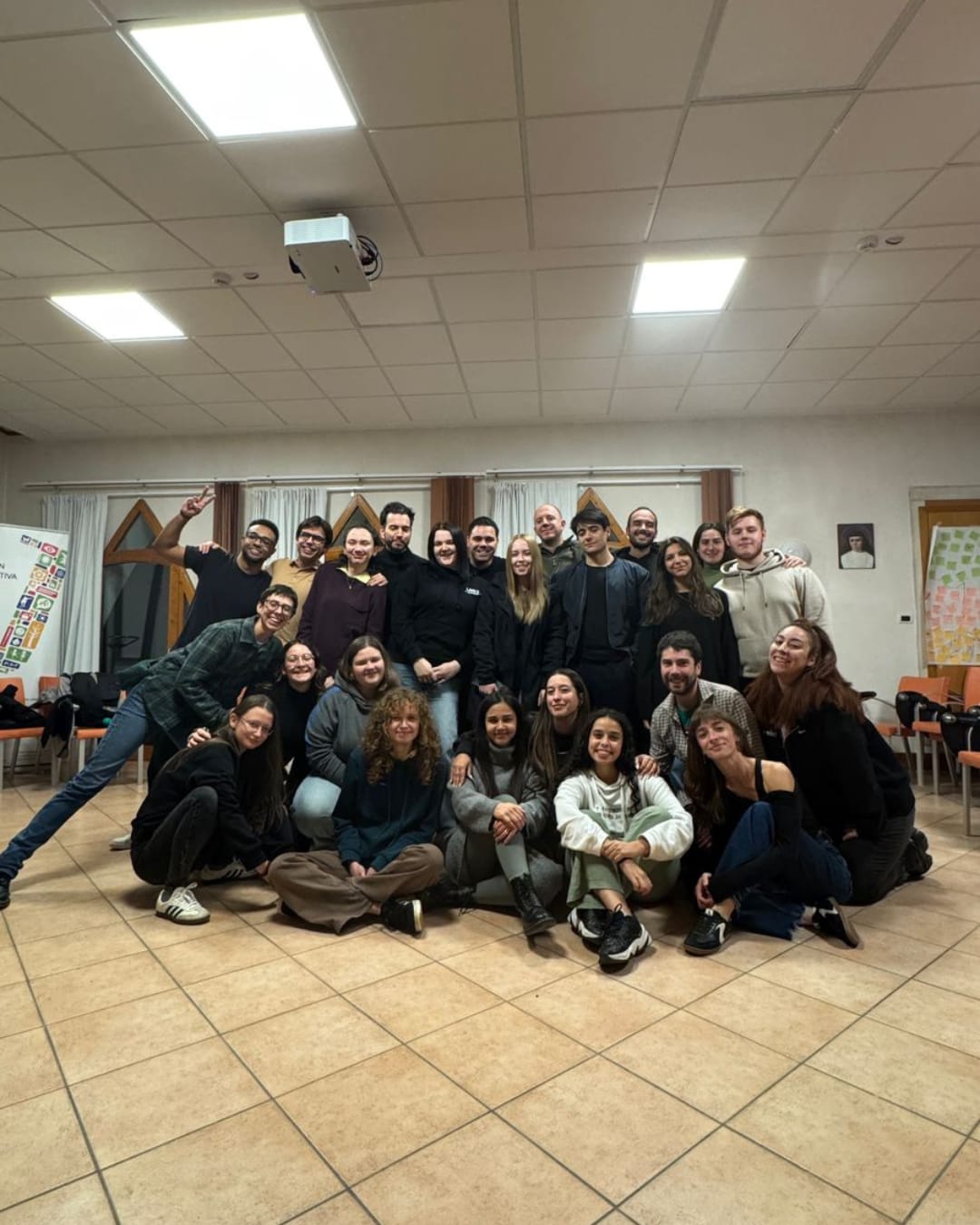
Erasmus Youth Training Course led by Jonathan Cooperativa Sociale
1. Executive Summary
The EmpowerED Training Course was designed to address a critical gap in youth participation across Europe. Drawing on Eurobarometer Parliament Youth Survey (2021) data confirming low youth involvement in local organizations, the project brought together 24 youth workers from eight countries. Over seven immersive days in Germany, participants gained modern tools, knowledge, and strategies to better engage young people in their communities. The training was built on non-formal education principles, emphasizing active participation, co-creation, and intercultural dialogue. By the end of the course, participants were equipped to conduct needs assessments, co-design workshops with youth, and train their colleagues. EmpowerED successfully promoted societal well‑being through self‑empowerment, active citizenship, and cross‑cultural collaboration.
2. Background & Problem Statement
European data consistently highlight a noticeable gap in youth participation in local organizations. Many young people feel disconnected from decision‑making processes that affect their lives. During the initial discussions among youth workers from the eight partner countries, three core issues emerged:
- Lack of youth input in planning – Activities are often designed without consulting young people, leading to programs that do not resonate with their real needs or interests.
- Excessively adult‑led activities – Young people have few opportunities to express themselves or develop a sense of purpose and ownership.
- Outdated engagement approaches – Traditional methods no longer effectively reach today’s digitally native and socially diverse youth.
These challenges highlighted an urgent need to better equip youth workers with relevant tools, modern communication strategies, and participatory methods. EmpowerED was created as a direct response to that need.
3. Project Goal
The overarching goal of EmpowerED is to promote society’s well‑being through people’s self‑empowerment and self‑development, placing active citizenship and intercultural dialogue at the core. By training youth workers, the project indirectly empowers young people to become proactive, engaged citizens who contribute positively to their communities.
4. Specific Objectives
The project pursued three specific objectives:
| Objective | Description |
|---|---|
| 1. Enhance understanding | To improve youth workers’ capacity to understand and respond to the evolving needs and interests of young people. |
| 2. Foster leadership | To empower youth workers to create meaningful opportunities for young people to develop and exercise leadership. |
| 3. Modernize communication | To update youth workers’ communication approaches, making them relevant and effective for today’s youth. |
5. Training Course Methodology
5.1 Format & Duration
- 7 days (4th November – arrival; 12th November – departure)
- Location: Germany
5.2 Participants
- 24 youth workers from eight countries:
- Italy 🇮🇹
- Bulgaria 🇧🇬
- Cyprus 🇨🇾
- Latvia 🇱🇻
- North Macedonia 🇲🇰
- Portugal 🇵🇹
- Serbia 🇷🇸
- Spain 🇪🇸
5.3 Learning Approach
The training was based entirely on non‑formal education principles. Participants played an active role in the learning process rather than passively receiving information. Key methods included:
- Creative activities (role‑play, simulations, storytelling)
- Digital tools (online collaboration platforms, social media engagement techniques)
- Interactive talks (expert inputs followed by Q&A)
- Group discussions (peer‑to‑peer learning, country‑specific case studies)
5.4 Main Topics Covered
- Needs assessment techniques for local youth
- Co‑creation methodologies for designing youth‑led activities
- Modern communication strategies (social media, gamification, visual storytelling)
- Leadership development for young people
- Intercultural dialogue as a tool for social cohesion
6. Outcomes & Results
By the end of the training, participants:
- ✅ Acquired a practical toolkit of methods, digital tools, and facilitation techniques.
- ✅ Developed the ability to design and run needs assessments with local youth.
- ✅ Learned co‑creation frameworks to build workshops together with young people.
- ✅ Understood how to modernize their communication to reach and resonate with today’s youth.
- ✅ Gained confidence in sharing their new skills with colleagues and other organizations.
- ✅ Built a strong cross‑European network of motivated youth workers for ongoing collaboration.
7. After‑Project Activities (RTIS Network)
Following the training course, participants (especially those within the RTIS Network) committed to implementing three concrete follow‑up activities in their home communities:
7.1 Needs Assessment Session with Local Youth
Action: Each participant facilitated a session using tools gained during EmpowerED to assess the real needs, interests, and challenges of young people in their local area.
Purpose: To ensure future activities are youth‑driven and relevant.
7.2 Co‑creation Workshop with Local Youth
Action: Participants worked together with young people to design an engaging activity or small project using co‑creation methods learned during the training.
Pro tip: Get inspired by the findings of the needs assessment.
Purpose: To give young people ownership over the process and outcomes.
7.3 Internal Training Session (Skill‑Sharing)
Action: Participants organized an internal training for colleagues within their own organization (and optionally for youth workers from other organizations) to share the new tools, methods, and strategies acquired during EmpowerED.
Purpose: To multiply the impact – the more people trained, the stronger and more innovative the organization becomes.
8. Impact & Sustainability
Short‑term impact
- Youth workers return home with fresh, practical skills.
- Local youth begin to be consulted and involved in meaningful co‑creation.
- Participating organizations start modernizing their engagement strategies.
Long‑term sustainability
- The internal training sessions ensure knowledge transfer even after the project ends.
- The cross‑national network continues to exchange best practices via digital platforms.
- EmpowerED’s tools and methodologies can be adapted and reused by any youth organization.
By addressing the root causes of low youth participation, EmpowerED creates a ripple effect: empowered youth workers → empowered young people → healthier, more active communities → greater societal well‑being.
9. Acknowledgments
The EmpowerED project was made possible thanks to the dedication of:
Coordinator
Jonathan Cooperativa Sociale – Italy 🇮🇹
Partners
- Research Center of Innovation and Sustainability Tefkros Limited – Cyprus 🇨🇾
- Asociación para el desarrollo sociocultural Youth CRL – Spain 🇪🇸
- GLOBAL ORGANIZATION FOR DEVELOPMENT (G.O.D.) – Bulgaria 🇧🇬
- Laiks Jauniešiem – Latvia 🇱🇻
- Stairs and Levels Associação – Portugal 🇵🇹
- Udruženje građana “Foresteducon” – Serbia 🇷🇸
- Youthversum – The Republic of North Macedonia 🇲🇰
Special thanks to all 24 youth workers for their active participation and to the local community in Germany for hosting the training.
10. Conclusion
EmpowerED successfully equipped youth workers with the tools, knowledge, and strategies needed to close the participation gap among European youth. By shifting from adult‑led to co‑created activities, modernizing communication, and fostering leadership opportunities, the project lays a strong foundation for lasting change. The after‑project activities ensure that learning does not end with the training – it spreads, grows, and transforms local communities from the inside out.
“Self‑empowerment begins with being heard. EmpowerED makes sure that voice reaches every young person.”